
TEJO
ONE
1U CubeSat Technology Demonstration
The first Portuguese satellite developed exclusively by students. A proof-of-concept mission demonstrating the capability of a 1U CubeSat to detect space debris, even those smaller than 10 cm.
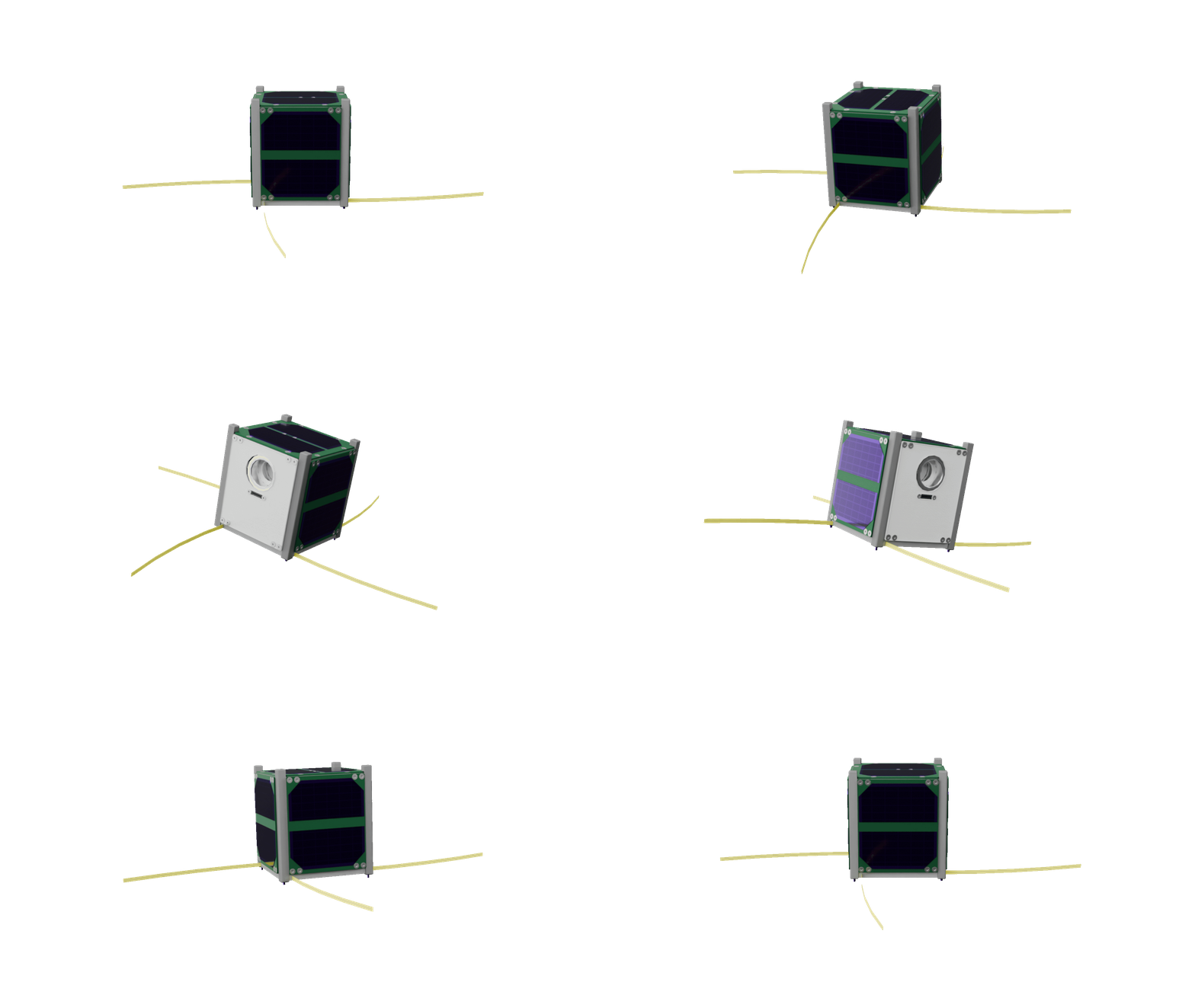
From Idea to Orbit
Follow TejoOne's journey from concept to launch
Concept Phase
Defining the mission, requirements, and satellite architecture
Preliminary Design
Subsystem development and component selection
Critical Design
Design finalization and preparation for manufacturing
Integration and Testing
Satellite assembly and functional testing
Launch Campaign
Final preparation, environmental testing and integration on the launcher
Launch
Launch to low Earth orbit
Orbital Operations
Validate the capability to detect space debris smaller than 10 cm using a 1U CubeSat with an optical system.
Mission Objectives
A mission with multiple scientific and educational goals
Technological Validation
Validate internally developed (in-house) components and the integration of COTS (Commercial Off-The-Shelf) components into a 1U CubeSat, meeting all design, structural, and operational requirements.
Debris Detection
Prove the feasibility of detecting space debris equal to or greater than 3 cm using a 1U CubeSat and a custom optical 'star tracker' system. Preliminary orbital parameters of the detected debris will be derived and made available on a public website.
Research
Study the behavior and validate the integration of COTS components in the space environment, and acquire the essential technical skills for the development of space systems (learn how to build a satellite).
Education and Open Source
Train and inspire future generations of space engineers, and create a repository (with reports, studies, and simulations) to continue space education, including the creation of an open source catalogue of detected debris.
Subsystems
TejoOne is composed of several subsystems that work together to ensure mission success
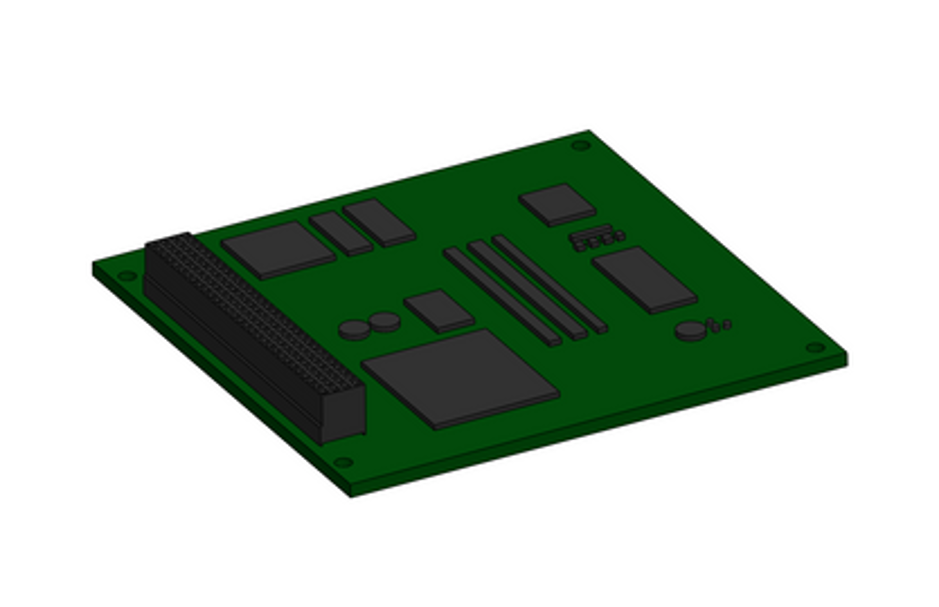
OBDH
On-Board Data Handling
On-board computer with a distributed architecture, responsible for data processing and general satellite control.
TejoOne uses a distributed OBDH architecture designed to eliminate single points of failure. The system connects all subsystems via a CSP CAN bus (with I2C redundancy), allowing the ADCS to assume critical functions if the primary On-Board Computer (OBC) fails. It leverages radiation-hardened components and multiple memory types to ensure data integrity in the LEO environment.
Specifications
Architecture: Distributed (SPoF Elimination), Bus: CAN (Primary), I2C (Secondary), Storage: 1 Gb Flash (Telemetry), MRAM/FRAM (Critical Data)
Meet the Team
Youth association dedicated to technology development and promoting education in the space sector
Go to Project